

Hoy en día una de las necesidades más importantes para el ciudadano recae en el transporte en todas sus modalidades. Los motivos son varios, teniendo más o menos importancia como trabajo, estudios, ocio, vacaciones etcétera.
Desglosando las modalidades de transportes, es un hecho que en grandes ciudades españolas como Madrid, Barcelona, Valencia, la modalidad del transporte público supera con creces a la privada. Influyen muchos factores ya estudiados como la gran oferta, la cual permite reducir tiempos de espera, diversas modalidades de transporte público disponibles, Zona de Bajas Emisiones (ZBE), recientemente implantadas en estos últimos años), situación económica, etc.
Apoyándose en datos, según Consorcio Regional de Transportes de Madrid (CRTM), en su informe anual del 2022 (último emitido), se registraron un total de 1.362,7 millones de viajes, un 28% más que en el año 2021. La tendencia aparenta creciente, teniendo en cuenta que los datos aportados datan de una etapa cercana a las restricciones por el COVID-19.
Sin embargo, existen una gran cantidad de factores mejorables, en este caso, se hace referencia a los buses interurbanos (oferta baja o inexistente para la demanda actual para los municipios a los que se les presta el servicio, poca información acerca de los horarios o inconsistencia en éstos, buses fantasma, etc.) a pesar de que muchos de estos tengan el equipo necesario para solventar algunos de estos problemas.
Estos inconvenientes son decisivos para los usuarios, que optan por evitar la opción de viajar en bus, cambiándolo por el uso de otro medio de transporte, como el vehículo privado. Ésto resulta un problema, ya que los viajes en bus interurbano presta servicio a un gran número de municipios, representando en Madrid un 16.9% (230.296.300 aproximadamente) de los viajes totales en 2022.
El objetivo principal de este proyecto se basa en desarrollar un sistema orientado a la información del estado de una línea de autobús seleccionada, principalmente tiempos de espera, ubicación en tiempo real e incidencias. Esta mejora permitirá al viajero planear mejor sus viajes, aportando un incentivo respecto al uso del bus interurbano.
Abstract:
Nowadays, one of the most important needs for citizens lies in transportation in all its forms.
The reasons are diverse, with varying degrees of importance, such as work, studies, leisure, holidays, etc.
Breaking down the different modes of transport, it is a fact that in large Spanish cities such as Madrid, Barcelona, and Valencia, public transportation far exceeds private transportation. Many factors contribute to this, already studied, such as the wide availability of services, which helps reduce waiting times, the variety of public transport options available, Low Emission Zones (LEZ), recently implemented in recent years), the economic situation, among others.
Based on data, according to the CRTM (Regional Transport Consortium of Madrid), in its 2022 annual report (the latest issued), a total of 1,362.7 million trips were recorded, 28% more than in 2021. The trend appears to be increasing, taking into account that the data provided corresponds to a period close to the COVID-19 restrictions.
However, there are a large number of aspects that could be improved. In this case, reference is made to intercity buses (low or even nonexistent supply compared to current demand for the municipalities served, little information about schedules or inconsistency in them, ghost buses…), despite the fact that many of them have the necessary equipment to address some of these problems.
These issues are decisive for users, who choose to avoid traveling by bus, opting instead for other means of transport, such as private vehicles. This becomes a problem, since intercity bus services cover a large number of municipalities, representing in Madrid 16.9% (approximately 230,296,300) of total trips in 2022.
The main objective of this project is to develop a system focused on providing information about the status of the selected bus line, mainly waiting times, real-time location and issues. This improvement will allow travelers to plan their trips more effectively, providing an incentive for the use of intercity buses.
This document will describe in detail the tasks carried out to complete this project, as well as the methodologies and tools used.
Hoy en día una de las necesidades más importantes para el ciudadano recae en el transporte en todas sus modalidades. Los motivos son varios, teniendo más o menos importancia como trabajo, estudios, ocio, vacaciones etcétera.
Desglosando las modalidades de transportes, es un hecho que en grandes ciudades españolas como Madrid, Barcelona, Valencia, la modalidad del transporte público supera con creces a la privada. Influyen muchos factores ya estudiados como la gran oferta, la cual permite reducir tiempos de espera, diversas modalidades de transporte público disponibles, Zona de Bajas Emisiones (ZBE), recientemente implantadas en estos últimos años), situación económica, etc.
Apoyándose en datos, según Consorcio Regional de Transportes de Madrid (CRTM), en su informe anual del 2022 (último emitido), se registraron un total de 1.362,7 millones de viajes, un 28% más que en el año 2021. La tendencia aparenta creciente, teniendo en cuenta que los datos aportados datan de una etapa cercana a las restricciones por el COVID-19.
Sin embargo, existen una gran cantidad de factores mejorables, en este caso, se hace referencia a los buses interurbanos (oferta baja o inexistente para la demanda actual para los municipios a los que se les presta el servicio, poca información acerca de los horarios o inconsistencia en éstos, buses fantasma, etc.) a pesar de que muchos de estos tengan el equipo necesario para solventar algunos de estos problemas.
Estos inconvenientes son decisivos para los usuarios, que optan por evitar la opción de viajar en bus, cambiándolo por el uso de otro medio de transporte, como el vehículo privado. Ésto resulta un problema, ya que los viajes en bus interurbano presta servicio a un gran número de municipios, representando en Madrid un 16.9% (230.296.300 aproximadamente) de los viajes totales en 2022.
El objetivo principal de este proyecto se basa en desarrollar un sistema orientado a la información del estado de una línea de autobús seleccionada, principalmente tiempos de espera, ubicación en tiempo real e incidencias. Esta mejora permitirá al viajero planear mejor sus viajes, aportando un incentivo respecto al uso del bus interurbano.
Abstract:
Nowadays, one of the most important needs for citizens lies in transportation in all its forms.
The reasons are diverse, with varying degrees of importance, such as work, studies, leisure, holidays, etc.
Breaking down the different modes of transport, it is a fact that in large Spanish cities such as Madrid, Barcelona, and Valencia, public transportation far exceeds private transportation. Many factors contribute to this, already studied, such as the wide availability of services, which helps reduce waiting times, the variety of public transport options available, Low Emission Zones (LEZ), recently implemented in recent years), the economic situation, among others.
Based on data, according to the CRTM (Regional Transport Consortium of Madrid), in its 2022 annual report (the latest issued), a total of 1,362.7 million trips were recorded, 28% more than in 2021. The trend appears to be increasing, taking into account that the data provided corresponds to a period close to the COVID-19 restrictions.
However, there are a large number of aspects that could be improved. In this case, reference is made to intercity buses (low or even nonexistent supply compared to current demand for the municipalities served, little information about schedules or inconsistency in them, ghost buses…), despite the fact that many of them have the necessary equipment to address some of these problems.
These issues are decisive for users, who choose to avoid traveling by bus, opting instead for other means of transport, such as private vehicles. This becomes a problem, since intercity bus services cover a large number of municipalities, representing in Madrid 16.9% (approximately 230,296,300) of total trips in 2022.
The main objective of this project is to develop a system focused on providing information about the status of the selected bus line, mainly waiting times, real-time location and issues. This improvement will allow travelers to plan their trips more effectively, providing an incentive for the use of intercity buses.
This document will describe in detail the tasks carried out to complete this project, as well as the methodologies and tools used. Read More
Related posts:
 La electromovilidad en el transporte público de Bogotá.
Sostenibilidad de los autobuses eléctricos
Exploración y análisis del uso del Metro de Madrid (españa) en el periodo 2014-2023 mediante técnicas de análisis geoespacial implementadas en Python
Cartografías del trabajo doméstico. Desplazamientos urbanos en la vida de Mercedes
La electromovilidad en el transporte público de Bogotá.
Sostenibilidad de los autobuses eléctricos
Exploración y análisis del uso del Metro de Madrid (españa) en el periodo 2014-2023 mediante técnicas de análisis geoespacial implementadas en Python
Cartografías del trabajo doméstico. Desplazamientos urbanos en la vida de Mercedes
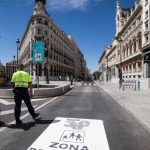 Ayuntamiento de Madrid y la ZBE: donde dije digo digo Diego
Las huellas del agua del Madrid ilustrado. El legado hidráulico de Juan de Villanueva
Ayuntamiento de Madrid y la ZBE: donde dije digo digo Diego
Las huellas del agua del Madrid ilustrado. El legado hidráulico de Juan de Villanueva
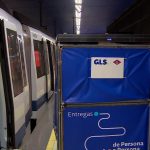 La red de metro de Madrid apuesta por su potencial para el transporte de mercancías