

Este proyecto describe el diseño y la implementación de un sistema que combina aspectos de los Homelab y los laboratorios de fabricación digital. Un Homelab es un entorno de experimentación informática dentro del hogar, y un laboratorio de fabricación digital es un espacio dotado de máquinas que convierten diseños digitales en objetos reales mediante distintos procesos de fabricación.
El sistema desarrollado utiliza una Raspberry Pi a la que se conectan cuatro discos duros para crear un sistema de almacenamiento conectado a la red (NAS) con tolerancia a fallos. Además, se conecta a una impresora 3D y a una cámara para permitir la monitorización en tiempo real del proceso de impresión. También se incorpora una VPN para poder acceder remotamente al sistema de forma segura. Al combinar estas tecnologías se consigue mejorar la funcionalidad de la impresora 3D.
Con el fin de centralizar la información y de visualizar distintas métricas del sistema, se implementa un dashboard con datos de los subsistemas mencionados anteriormente, y se añade un bot de Telegram para poder hacer consultas desde cualquier ubicación.
En esta memoria se explora el estado del arte de algunas de las tecnologías que componen el sistema, así como los fundamentos teóricos necesarios para entender su funcionamiento.
Abatract:
This project describes the design and implementation of a system that combines aspects of Homelab environments and digital fabrication laboratories. A Homelab refers to a domestic computing experimentation environment, while a digital fabrication laboratory is a space equipped with machines capable of transforming digital designs into physical objects through various manufacturing processes.
The developed system uses a Raspberry Pi connected to four hard drives to create a Network Attached Storage (NAS) system with fault tolerance. Additionally, it is connected to a 3D printer and a camera to enable real-time monitoring of the printing process. A VPN is also integrated to ensure secure remote access to the entire system. The combination of these technologies enhances the functionality of the 3D printer.
To centralize information and visualize various system metrics, a dashboard is implemented to display data from the aforementioned subsystems, and a Telegram bot is also included, allowing users to check the status of the system from any location.
This document explores the state of the art of several of the technologies that make up the system, as well as the theoretical foundations needed to understand how it works.
Este proyecto describe el diseño y la implementación de un sistema que combina aspectos de los Homelab y los laboratorios de fabricación digital. Un Homelab es un entorno de experimentación informática dentro del hogar, y un laboratorio de fabricación digital es un espacio dotado de máquinas que convierten diseños digitales en objetos reales mediante distintos procesos de fabricación.
El sistema desarrollado utiliza una Raspberry Pi a la que se conectan cuatro discos duros para crear un sistema de almacenamiento conectado a la red (NAS) con tolerancia a fallos. Además, se conecta a una impresora 3D y a una cámara para permitir la monitorización en tiempo real del proceso de impresión. También se incorpora una VPN para poder acceder remotamente al sistema de forma segura. Al combinar estas tecnologías se consigue mejorar la funcionalidad de la impresora 3D.
Con el fin de centralizar la información y de visualizar distintas métricas del sistema, se implementa un dashboard con datos de los subsistemas mencionados anteriormente, y se añade un bot de Telegram para poder hacer consultas desde cualquier ubicación.
En esta memoria se explora el estado del arte de algunas de las tecnologías que componen el sistema, así como los fundamentos teóricos necesarios para entender su funcionamiento.
Abatract:
This project describes the design and implementation of a system that combines aspects of Homelab environments and digital fabrication laboratories. A Homelab refers to a domestic computing experimentation environment, while a digital fabrication laboratory is a space equipped with machines capable of transforming digital designs into physical objects through various manufacturing processes.
The developed system uses a Raspberry Pi connected to four hard drives to create a Network Attached Storage (NAS) system with fault tolerance. Additionally, it is connected to a 3D printer and a camera to enable real-time monitoring of the printing process. A VPN is also integrated to ensure secure remote access to the entire system. The combination of these technologies enhances the functionality of the 3D printer.
To centralize information and visualize various system metrics, a dashboard is implemented to display data from the aforementioned subsystems, and a Telegram bot is also included, allowing users to check the status of the system from any location.
This document explores the state of the art of several of the technologies that make up the system, as well as the theoretical foundations needed to understand how it works. Read More
Related posts:
 Diseño de sistema domótico de riego controlado por comunicaciones móviles (4G)
Interview: Philip Colligan, CEO, Raspberry Pi Foundation
Diseño de sistema domótico de riego controlado por comunicaciones móviles (4G)
Interview: Philip Colligan, CEO, Raspberry Pi Foundation
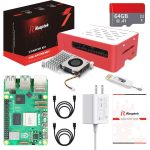 It’s Pi Day! Grab this Raspberry Pi 5 starter kit on sale while you can
Nuevos acumuladores ligeros para aviación – Depósito de gasolina para aeroplanos – Fabricación de hidrógeno por descomposición del acetileno – Maderas especiales para aeroplanos en los Estados Unidos – Nuevo avión de caza alemán
Comunicación y coordinación bidireccional entre un sistema físico y un robot virtual
Diseño e implementación de un dispositivo multicanal de grabación y reproducción basado en Raspberry Pi
It’s Pi Day! Grab this Raspberry Pi 5 starter kit on sale while you can
Nuevos acumuladores ligeros para aviación – Depósito de gasolina para aeroplanos – Fabricación de hidrógeno por descomposición del acetileno – Maderas especiales para aeroplanos en los Estados Unidos – Nuevo avión de caza alemán
Comunicación y coordinación bidireccional entre un sistema físico y un robot virtual
Diseño e implementación de un dispositivo multicanal de grabación y reproducción basado en Raspberry Pi