

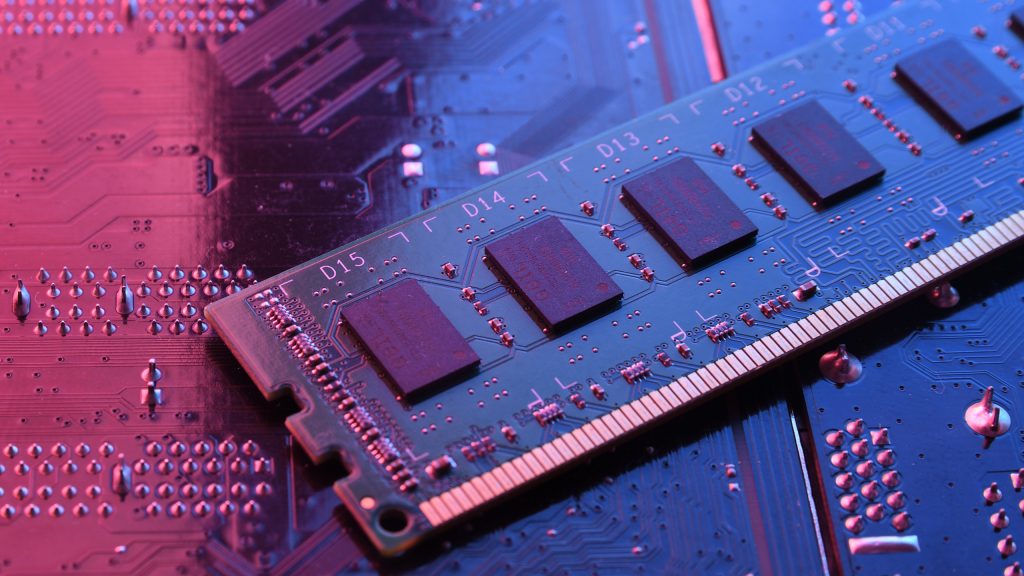
No matter how much memory gets produced by the likes of Samsung, SK Hynix, and Micron, there just isn’t enough to go around anymore. With gigantic orders from all the major AI data center builders, there’s now a major shortage of memory chips worldwide—and it’s spiking the prices of DDR memory and NVMe storage by hundreds of percent.
Lenovo is stockpiling RAM to keep prices reasonable, but companies like Raspberry Pi and Framework are being hit hard, and Samsung can’t even buy memory from itself. Micron is ending its Crucial consumer memory brand altogether. With memory prices shooting up, it’s not just memory that’s at risk. We’re already seeing a knock-on effect on products that use memory and storage, and it’s only going to get worse.
Buckle up. The AI-driven memory apocalypse is nigh. If you want to get ahead of the curve and buy stuff before prices rocket up, here are some things that are going to get more expensive soon.
Pre-built PCs

This one might be a bit obvious, but it’s worth pointing out. If memory costs more, then it’s going to cost more to build a PC—and if it’s costing more for you and me, then it’s definitely costing more for the big system builders, too. Are they going to eat the loss and continue giving us great deals? Ha, of course not.
CyberPowerPC announced at the end of November that once Black Friday is over, they would have to raise prices on all its systems. This follows what it claims were 500% increases in memory prices and over 100% jumps in SSD storage costs.
Maingear PC told Wccftech a few weeks ago that it was looking at impending price climbs and longer lead times for systems due to aggressive memory price hikes. They didn’t give a deadline, though. In fact, they suggested they had taken steps to insulate customers against price hikes, but alas, they were all but inevitable.
It’s not just gaming PC builders that are being hit, either. Giants like Lenovo and Dell have announced impending price rises. TrendForce notes that Dell has warned of prices rising by up to 10 or 15 percent by mid-December, and Lenovo is thinking of doing the same in January 2026. That’s going to hit laptops just as much as desktop systems.
HP CEO Enrique Lores has also warned that, if memory pricing trends don’t change course by the second half of 2026, they too will have to start raising prices. With memory making up between 15 and 18 percent of a full system’s total cost, any increases there can have a sizable effect on the final price tag of a PC, prebuilt or not.
Graphics cards
Adam Patrick Murray / Foundry
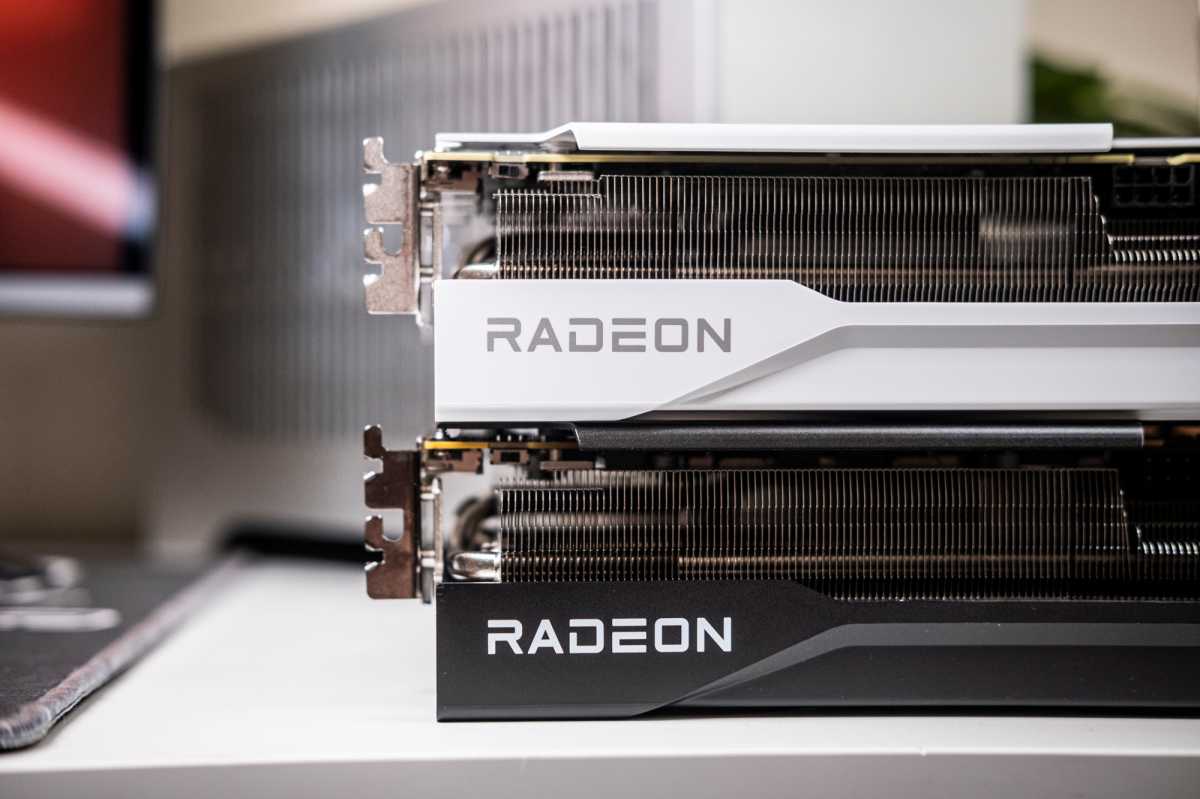
When aren’t graphics cards expensive? But if you thought they were expensive now, then wait ’til they’re hit by the impending RAM shortage. Just when we’d gotten over the crypto spikes of years past and both RTX and RX graphics cards are finally well-stocked enough to be had at reasonable prices, it’s time to spike them up again.
AMD has boosted its graphics card pricing for all current-generation models by $10 per 8GB of VRAM. The RX 9070 XT now has a new recommended retail price of $619 ($20 more than its launch price), the RX 9070 is now $569, the 9060 XT 16GB is now $369, and the 8GB version of that is now $309. (That said, how likely do you think partners are to stick to these “recommended” prices?)
Fortunately, Nvidia hasn’t announced any price rises yet. That might be because it’s the only company making any real money from this spate of AI deal-making and infrastructure building, despite their own gargantuan investments. (Gaming is only a small fraction of their revenue stream now.) But they might have delayed—or even cancelled—the RTX Super launch because of these price rises, so even Nvidia isn’t unaffected.
Raspberry Pi and other microcomputers
Raspberry Pi
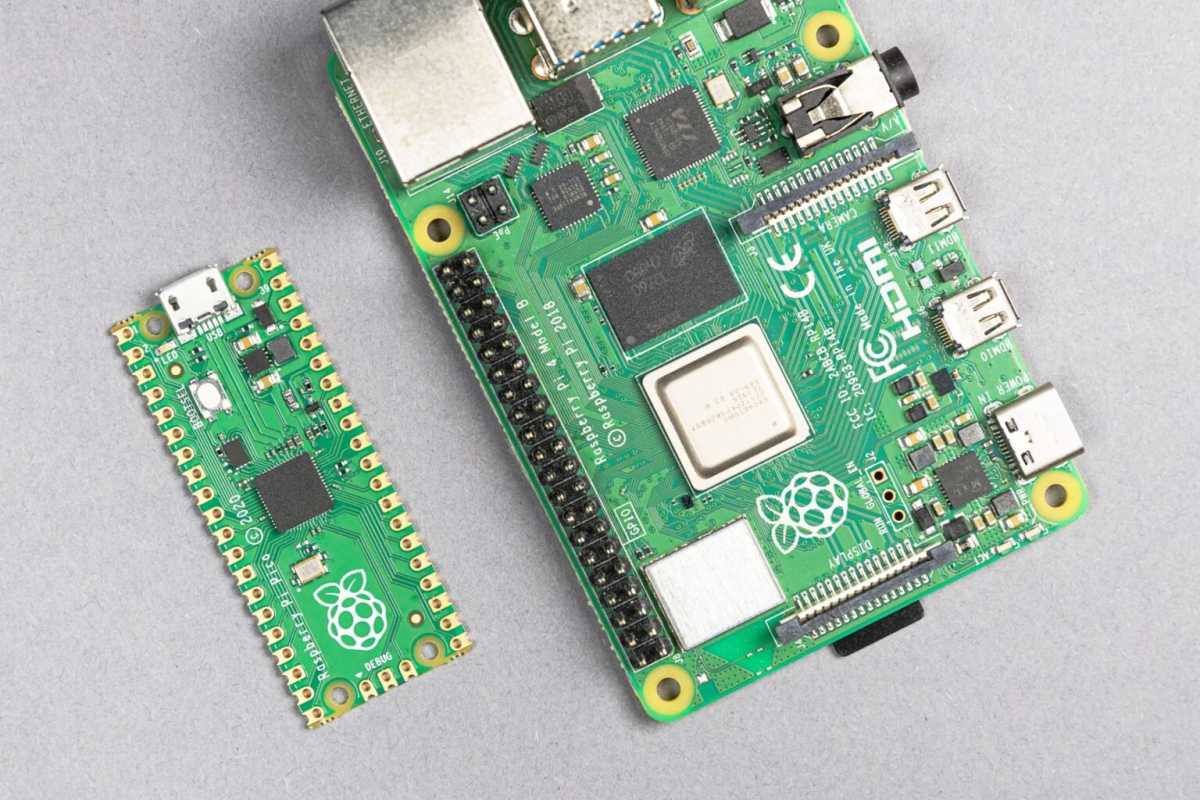
Microcomputers are still computers, which means they need memory. That’s why the credit-card-sized Raspberry Pi system is also seeing price rises. The base Raspberry Pi 4 with 4GB of RAM is going to be $5 more expensive, but the top Raspberry Pi 5 model with 16GB of RAM will set you back an additional $25, over 20% more on its original retail price.
As a way to work around some of these price rises for anyone who doesn’t need much memory for their projects, the Raspberry Pi Foundation launched a new Raspberry Pi 5 model with just 1GB of RAM that you can buy for $45 from CanaKit.
Banana Pi, the maker of fellow miniature PC system, has also announced price rises. No specifics were given in the announcement, but they cited memory and eMMC storage price rises, prompting a need to make their own “price adjustment” across their entire product line-up.
Although OrangePi didn’t announce any official price changes, fans did notice them. Some Redditors noted a doubling in price for the Orange Pi Zero 2W, going from $19 to $39.
Smartphones, tablets, laptops

This is just the beginning with these RAM-shortage-inspired price hikes. With projections that memory will be in short supply for at least another year—but potentially as long as a decade, which isn’t helped by Micron exiting the consumer memory space—the prices of just about anything that needs RAM will go up in turn.
TechPowerUp cites a TrendForce report that breaks down just how bonkers the memory price increases have been recently and suggests that it’s going to spread out to almost every other industry. Entry-level smartphones will likely be hit first, but the bigger margins on higher-end models only give manufacturers so much wiggle room to eat losses. We all know how (un)likely they are to actually do that.
Similarly, expect the same kinds of increases to hit tablets, starting with entry-level models with slim margins and later higher-end models. Laptops are also likely to follow, although we’re already hearing the first hints of that from the likes of Lenovo, Dell, and HP.
Don’t worry about CPUs
One bright spot in all of this is that CPUs aren’t going up in price, despite what some sources have claimed.
AMD has made no statements or suggestions to its distributors that prices for Ryzen CPUs would be rising, and we’ve even seen some of the lowest Intel prices in recent weeks. Black Friday and Cyber Monday played their part, of course, but Intel chips are genuinely great value now, especially if you want super-fancy memory. (Which you probably can’t get… given the state of things… D’oh.)
Shrinking memory demand could help
There are conspiracies going around about memory manufacturers colluding to reap the rewards of the ongoing RAM pricing spikes, but pay no mind to those. There will be a correction to this insane trend at some point, somewhere along the way.
Although there’s no guarantee that the AI bubble will pop and open up some of the hoarded NAND chips for the rest of us, prices can only rise so much before people and companies simply stop buying.
Once that happens, there’s potential for prices to return to a more reasonable, pre-increase level. No one can promise anything, as there’s no clear end in sight for upward RAM pricing… but in the long term, it has to shake out eventually. Right?
No matter how much memory gets produced by the likes of Samsung, SK Hynix, and Micron, there just isn’t enough to go around anymore. With gigantic orders from all the major AI data center builders, there’s now a major shortage of memory chips worldwide—and it’s spiking the prices of DDR memory and NVMe storage by hundreds of percent.
Lenovo is stockpiling RAM to keep prices reasonable, but companies like Raspberry Pi and Framework are being hit hard, and Samsung can’t even buy memory from itself. Micron is ending its Crucial consumer memory brand altogether. With memory prices shooting up, it’s not just memory that’s at risk. We’re already seeing a knock-on effect on products that use memory and storage, and it’s only going to get worse.
Buckle up. The AI-driven memory apocalypse is nigh. If you want to get ahead of the curve and buy stuff before prices rocket up, here are some things that are going to get more expensive soon.
Pre-built PCs
Ella Don / Unsplash
This one might be a bit obvious, but it’s worth pointing out. If memory costs more, then it’s going to cost more to build a PC—and if it’s costing more for you and me, then it’s definitely costing more for the big system builders, too. Are they going to eat the loss and continue giving us great deals? Ha, of course not.
CyberPowerPC announced at the end of November that once Black Friday is over, they would have to raise prices on all its systems. This follows what it claims were 500% increases in memory prices and over 100% jumps in SSD storage costs.
Maingear PC told Wccftech a few weeks ago that it was looking at impending price climbs and longer lead times for systems due to aggressive memory price hikes. They didn’t give a deadline, though. In fact, they suggested they had taken steps to insulate customers against price hikes, but alas, they were all but inevitable.
It’s not just gaming PC builders that are being hit, either. Giants like Lenovo and Dell have announced impending price rises. TrendForce notes that Dell has warned of prices rising by up to 10 or 15 percent by mid-December, and Lenovo is thinking of doing the same in January 2026. That’s going to hit laptops just as much as desktop systems.
HP CEO Enrique Lores has also warned that, if memory pricing trends don’t change course by the second half of 2026, they too will have to start raising prices. With memory making up between 15 and 18 percent of a full system’s total cost, any increases there can have a sizable effect on the final price tag of a PC, prebuilt or not.
Graphics cards
Adam Patrick Murray / Foundry
When aren’t graphics cards expensive? But if you thought they were expensive now, then wait ’til they’re hit by the impending RAM shortage. Just when we’d gotten over the crypto spikes of years past and both RTX and RX graphics cards are finally well-stocked enough to be had at reasonable prices, it’s time to spike them up again.
AMD has boosted its graphics card pricing for all current-generation models by $10 per 8GB of VRAM. The RX 9070 XT now has a new recommended retail price of $619 ($20 more than its launch price), the RX 9070 is now $569, the 9060 XT 16GB is now $369, and the 8GB version of that is now $309. (That said, how likely do you think partners are to stick to these “recommended” prices?)
Fortunately, Nvidia hasn’t announced any price rises yet. That might be because it’s the only company making any real money from this spate of AI deal-making and infrastructure building, despite their own gargantuan investments. (Gaming is only a small fraction of their revenue stream now.) But they might have delayed—or even cancelled—the RTX Super launch because of these price rises, so even Nvidia isn’t unaffected.
Raspberry Pi and other microcomputers
Raspberry Pi
Microcomputers are still computers, which means they need memory. That’s why the credit-card-sized Raspberry Pi system is also seeing price rises. The base Raspberry Pi 4 with 4GB of RAM is going to be $5 more expensive, but the top Raspberry Pi 5 model with 16GB of RAM will set you back an additional $25, over 20% more on its original retail price.
As a way to work around some of these price rises for anyone who doesn’t need much memory for their projects, the Raspberry Pi Foundation launched a new Raspberry Pi 5 model with just 1GB of RAM that you can buy for $45 from CanaKit.
Banana Pi, the maker of fellow miniature PC system, has also announced price rises. No specifics were given in the announcement, but they cited memory and eMMC storage price rises, prompting a need to make their own “price adjustment” across their entire product line-up.
Although OrangePi didn’t announce any official price changes, fans did notice them. Some Redditors noted a doubling in price for the Orange Pi Zero 2W, going from $19 to $39.
Smartphones, tablets, laptops
TippaPatt / Shutterstock.com
This is just the beginning with these RAM-shortage-inspired price hikes. With projections that memory will be in short supply for at least another year—but potentially as long as a decade, which isn’t helped by Micron exiting the consumer memory space—the prices of just about anything that needs RAM will go up in turn.
TechPowerUp cites a TrendForce report that breaks down just how bonkers the memory price increases have been recently and suggests that it’s going to spread out to almost every other industry. Entry-level smartphones will likely be hit first, but the bigger margins on higher-end models only give manufacturers so much wiggle room to eat losses. We all know how (un)likely they are to actually do that.
Similarly, expect the same kinds of increases to hit tablets, starting with entry-level models with slim margins and later higher-end models. Laptops are also likely to follow, although we’re already hearing the first hints of that from the likes of Lenovo, Dell, and HP.
Don’t worry about CPUs
One bright spot in all of this is that CPUs aren’t going up in price, despite what some sources have claimed.
AMD has made no statements or suggestions to its distributors that prices for Ryzen CPUs would be rising, and we’ve even seen some of the lowest Intel prices in recent weeks. Black Friday and Cyber Monday played their part, of course, but Intel chips are genuinely great value now, especially if you want super-fancy memory. (Which you probably can’t get… given the state of things… D’oh.)
Shrinking memory demand could help
There are conspiracies going around about memory manufacturers colluding to reap the rewards of the ongoing RAM pricing spikes, but pay no mind to those. There will be a correction to this insane trend at some point, somewhere along the way.
Although there’s no guarantee that the AI bubble will pop and open up some of the hoarded NAND chips for the rest of us, prices can only rise so much before people and companies simply stop buying.
Once that happens, there’s potential for prices to return to a more reasonable, pre-increase level. No one can promise anything, as there’s no clear end in sight for upward RAM pricing… but in the long term, it has to shake out eventually. Right? Read More
Related posts:
 AI-driven RAM shortage hits Raspberry Pi: Price hikes and a new budget model
 Samsung is next to hike prices on memory and storage devices
 The Raspberry Pi 5 is even more affordable with its new 2GB model
 Lenovo stockpiles RAM to (hopefully) keep laptop prices down
 Raspberry Pi 5 gets a superpowered 16GB model for the first time
 DDR4 RAM prices are skyrocketing as supply dwindles and scarcity hits